
Tribar Solutions
- 820 W Danforth Rd #1047 - Edmond, OK 73003
- M-F: 8:00am - 9:00pm

Strategic Growth and Planning: Utilize the gold standard for market or line of business expansion opportunities and developing tactical steps for growth.
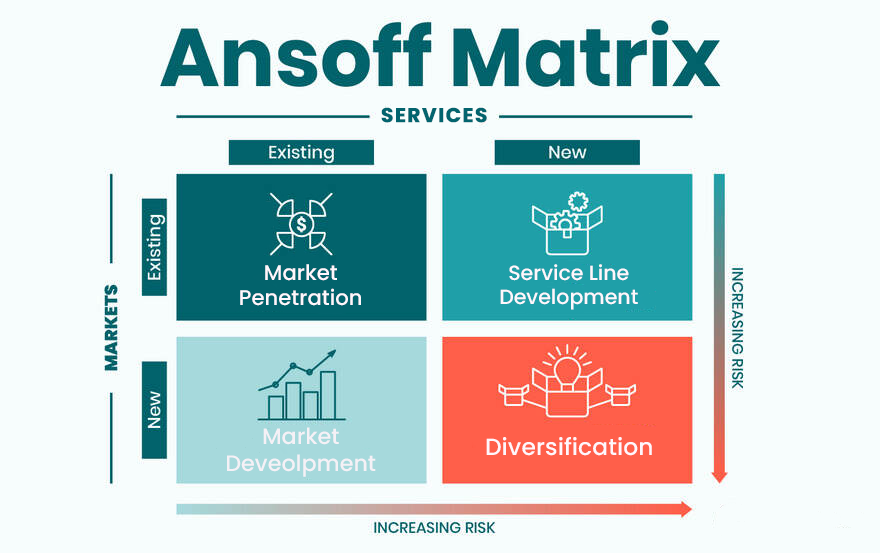
• Ansoff Strategic Opportunity Matrix: Explore options for expanding your services and markets.
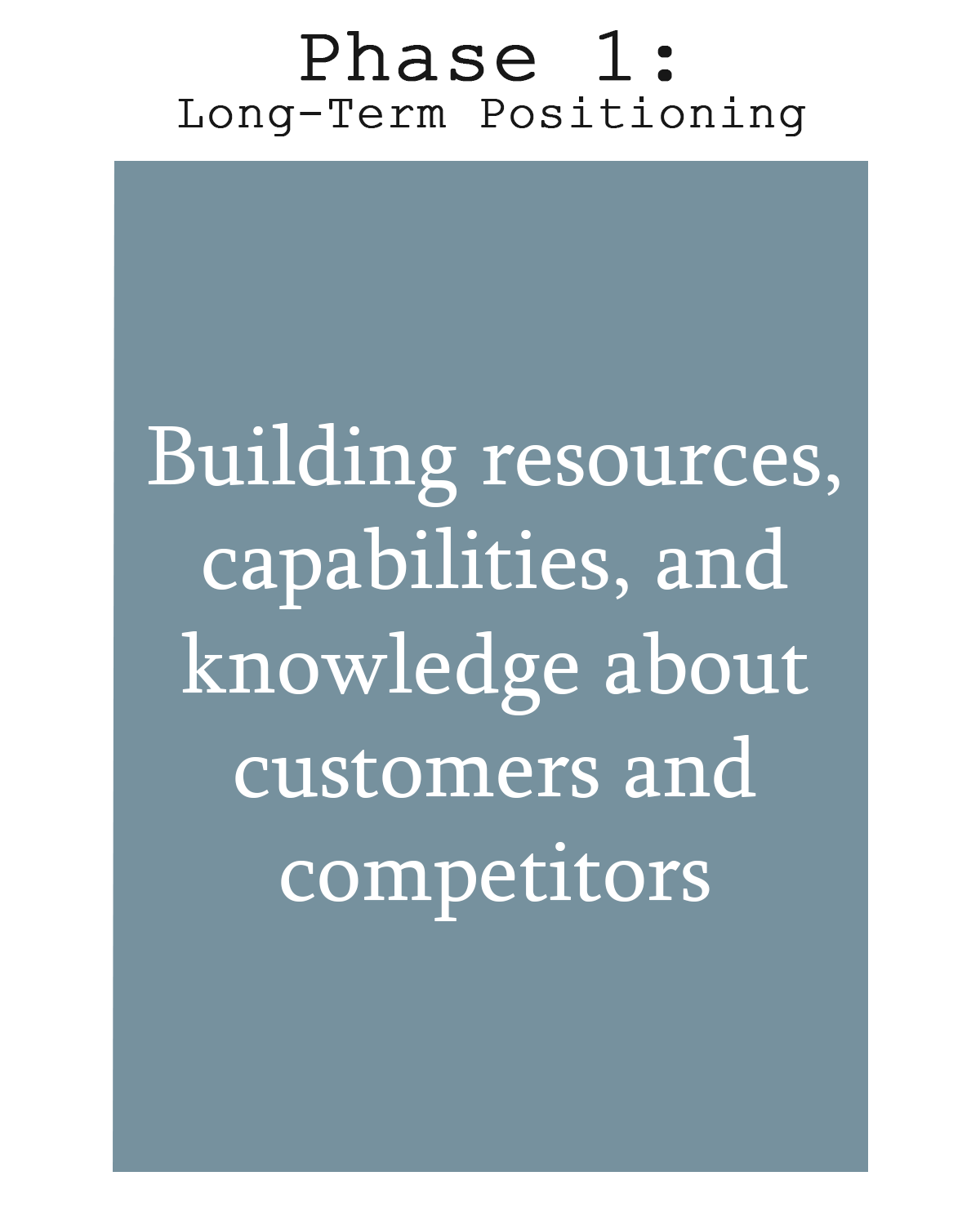
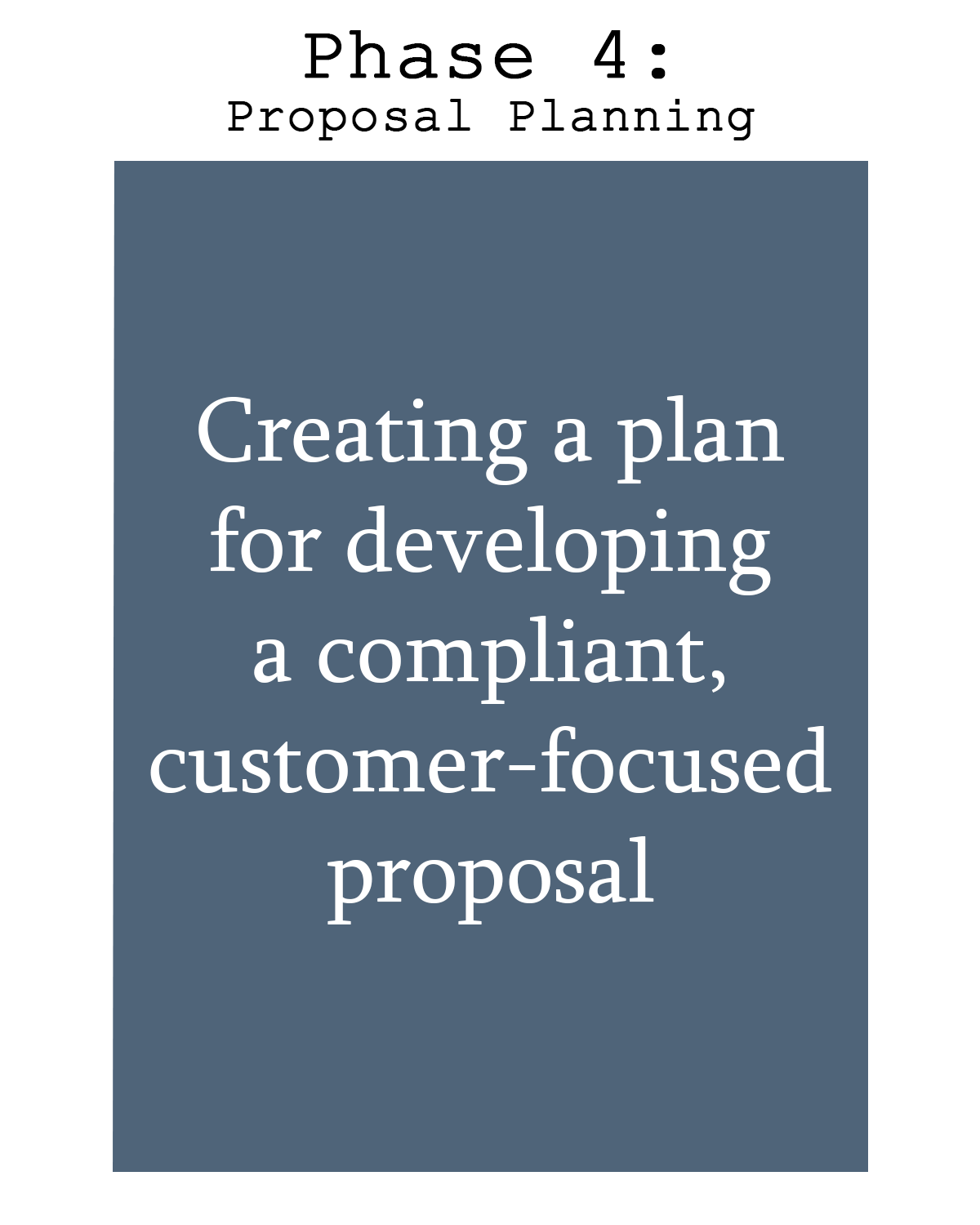
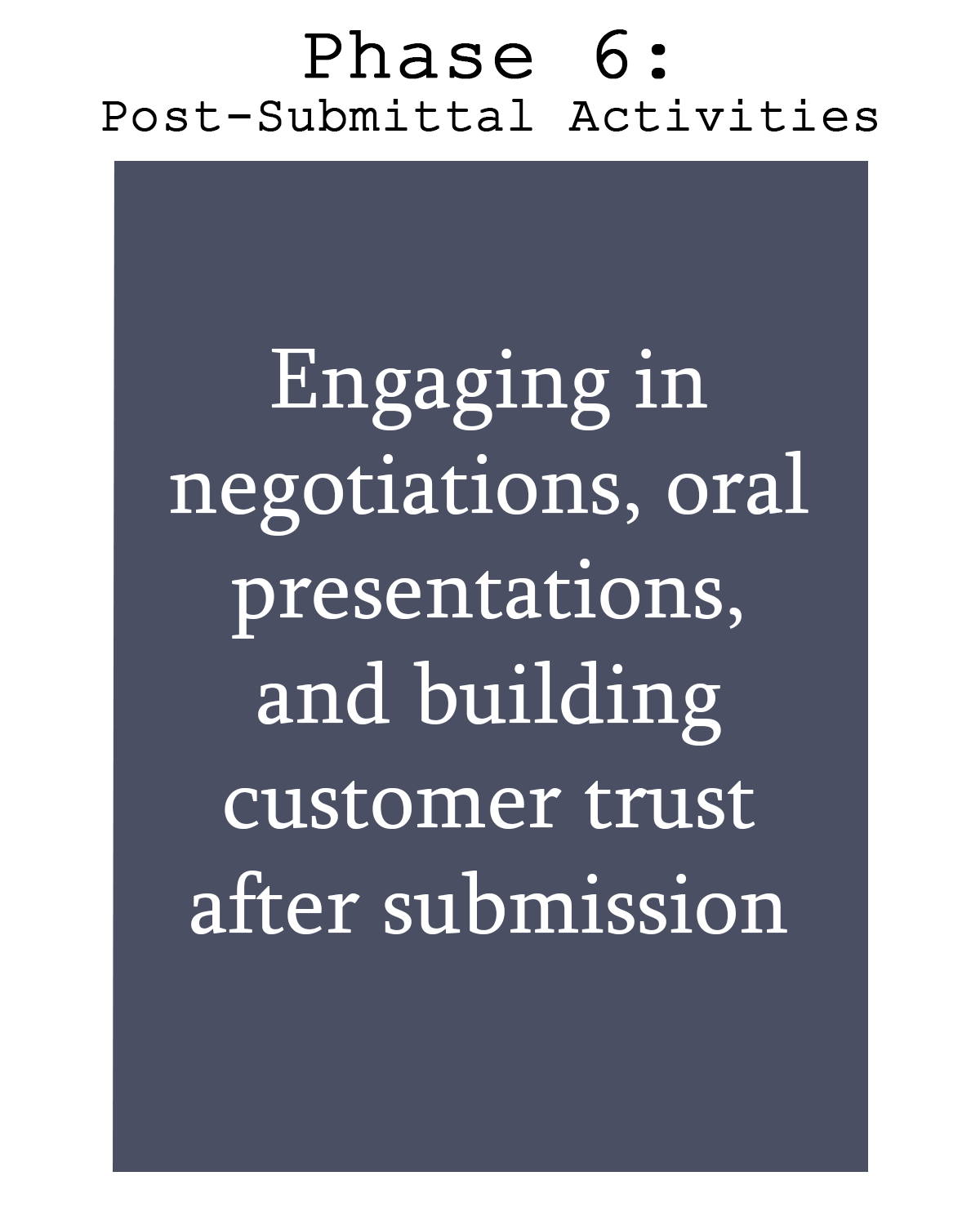
• Shipley Business Development Lifecycle: Develop a strategy to take your services to targeted strategic customers.
Seven Phases:




Potential Teaming Opportunities: Assist in developing a targeted business plan and identifying potential subcontracting opportunities or teaming partners.
• Work with handpicked large or small business partners to leverage your services and markets in new ways.
AbilityOne Contracting: Learn to navigate the complex procurement List addition process and contracting requirements.
• Partner with mission-aligned organizations to open a new market and build relationships with new contracting offices.
Pricing Strategy: Advise on competitive and compliant pricing models that meet stringent Government requirements according to FAR 31.201 or CFR 200 Part E:
• Costs must meet all three criteria—reasonable, allowable, and allocable. This ensures that government funds are spent in accordance with regulations, ultimately, in the best interest of the tax payer.
• The determination of whether a cost is reasonable or allocable often involves a fact-intensive inquiry, requiring contractors to provide evidence supporting their claims.
• Understanding these terms is crucial for contractors working with federal agencies, as they directly impact the reimbursement of costs incurred during contract performance. Always refer to the specific FAR sections for detailed guidance on allowable costs and compliance requirements.
Financial Accounting: Offer executive level services to audit organizational and contract costs to identify efficiencies and streamline operations.
Proposal Writing and Management: Offer end-to-end proposal support, including developing cost and technical volumes that align with the specific Request for Proposal (RFP) requirements.
Pricing Alignment: Communicate competitive and compliant pricing strategy, helping clients develop a strong cost volume narrative.
Review and Compliance: Conduct final reviews to ensure proposals meet all solicitation requirements and are compliant with applicable regulations.
Contract Performance: Assistance in determining Key Performance Indicators (KPIs) based on contract deliverables, performance to budget, and post win performance to bid.
Contract Administration: Offer support with managing contracts, interpreting terms and conditions, and handling modifications.
Labor Negotiations: Review collective bargaining agreements (CBAs), support union relationships, and expedite incumbent employee transitions.
Disputes and Claims: Provide advisory services for resolving contract disputes, submitting claims (Requests for Equitable Adjustment), or navigating bid protests.
 820 W Danforth Rd #1047 - Edmond, OK 73003
 M-F: 8:00am - 9:00pm

